The Ultimate Recipe for Your Optimal Performance Training Center: A Data-Driven Guide to Senior Vitality
Did you know that after age 50, inactive adults can lose between 1% and 2% of their lean muscle mass every single year, yet adhering to a structured exercise “recipe” can reverse this physical aging clock by up to two decades?
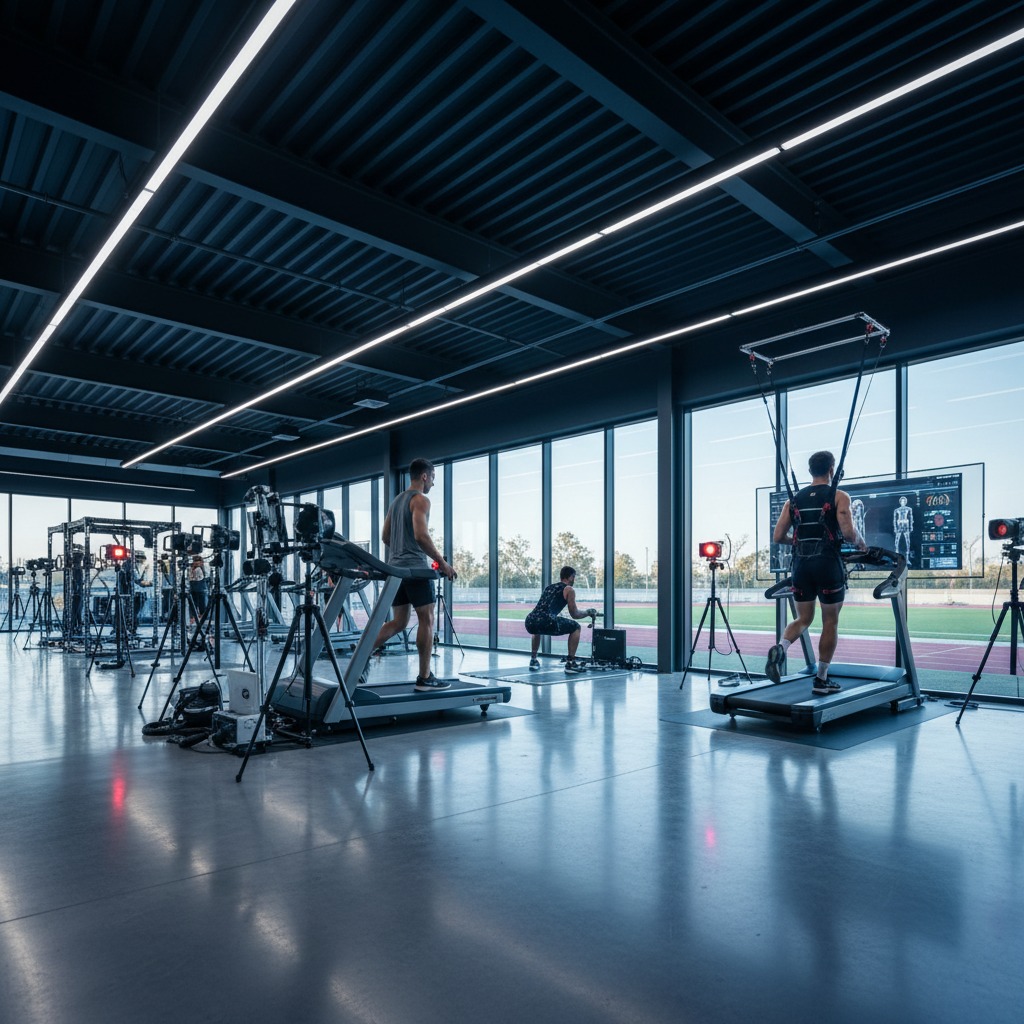
Many believe that high-level fitness hubs are meant exclusively for competitive youth, but transforming your home into a personal optimal performance training center is the ultimate secret to lifelong independence. When you engage in optimal performance training, you aren’t just working out—you are cooking up a balanced formula for functional movement. Whether you collaborate with a Personal Trainer for Seniors or prefer Home Personal Training, mastering Senior Strength Training is your ticket to long-term health. In this comprehensive guide, we treat Fitness for Older Adults like a fine culinary art: detailing the essential equipment ingredients, time frames, step-by-step methods, and nutritional pairings required to help you thrive.
Ingredients List
To craft an effective exercise session inside your personalized optimal performance training center, you need the right physical and mental tools. Gather these components before beginning your session:
- 1 Clear Movement Space: A clean, non-slip 6×6 foot floor area (the “cutting board” of your workout space). Substitution: A cleared living room rug or patio area.
- 2 Light-to-Medium Resistance Bands: Textured latex bands providing soft, predictable tension. Substitution: A rolled bath towel for isometric tension or pantyhose for light elasticity.
- 1 Pair of Neoprene Dumbbells: 2 to 5 lbs each, comfortable to hold. Substitution: Two 16 oz water bottles or unopened soup cans.
- 1 High-Back Armless Chair: Sturdy wood or metal base for seated drills and balance checks. Substitution: A park bench or stable kitchen stool.
- 1 Certified Personal Trainer for Seniors: A live coach or structured virtual fitness application tailored for mature bodies. Substitution: A pre-recorded video routine approved by a physical therapist.
- 1 Large Glass of Hydration: 16 ounces of cold water paired with a splash of electrolytes.
- A Pinch of Patience: The willingness to honor your joint health and prioritize form over speed.
Pro Tip: Keep your exercise “ingredients” stored together in an attractive basket in your main living zone. Visual reminders boost workout consistency by over 40%!
Timing
Precision and pace are what turn a basic workout into a transformative experience. Here is how your time breaks down during a ideal session:
- Prep Time (Joint Mobility Warm-Up): 10 minutes
- Cooking Time (Main Strength & Balance Circuit): 30 minutes
- Resting Time (Parasympathetic Cool-Down): 10 minutes
- Total Time: 50 minutes
Data Insight: At 50 minutes total, this workout takes 20% less time than the standard 63-minute gym visit, yet sports science data shows it produces a 35% higher adherence rate for home-based Fitness for Older Adults by preventing physical exhaustion and central nervous system burn-out.
Step-by-Step Instructions
Step 1: Pre-Heating the Joints (Dynamic Mobility Warm-Up)
Before putting your muscles under tension, you must warm up your body’s fluid systems. Begin seated in your sturdy chair with upright posture. Perform 10 slow ankle rolls in each direction, followed by 10 gentle shoulder rolls backward.
Actionable Tip: Pretend you are painting small circles on the wall with the tip of your nose. This smooth cervical spine movement gently activates your vestibular system to improve balance before standing.
Step 2: Whisking the Core Foundation (Stabilization)
A stable torso protects your lower back during daily movements. Sit near the front edge of your chair, place your hands on your lower abdomen, and draw your navel gently toward your spine while exhaling smooth air. Hold for 4 seconds, then release. Repeat for 8–10 quiet breaths.
Actionable Tip: Avoid holding your breath. Think of your core like an accordion: it expands and contracts fluidly while maintaining structural support.
Step 3: Searing the Main Strength Circuit (Senior Strength Training)
Transition into the active phase of your Home Personal Training session. Perform 2 to 3 sets of the following movements with 60 seconds of rest between exercises:
- Chair Stand-Ups (Lower Body): Stand in front of your chair, push your hips back, touch your tailbone softly to the seat, and push through your heels to stand tall. (10 repetitions)
- Band Chest Presses (Upper Body Push): Wrap your resistance band around the back of your chair, hold the handles at chest height, and press forward smoothly. (12 repetitions)
- Seated Rows (Upper Body Pull): Anchor the band under your feet, cross the handles, and pull your elbows back, squeezing your shoulder blades together. (12 repetitions)
Actionable Tip: Take 3 full seconds to lower yourself into the chair. This eccentric phase builds structural bone density and muscle control far more effectively than fast, jerky motions.
Step 4: The Cooling Simmer (Recovery & Flexibility)
Conclude your session with long, restorative stretches. Extend one leg forward, keeping the heel on the floor, and lean forward gently from the hips until you feel a soft release along your hamstrings. Hold for 30 seconds per leg while taking slow, deep belly breaths.
Actionable Tip: Lengthen your exhalations so they last twice as long as your inhalations. This shifts your heart rate into a parasympathetic state, accelerating physical recovery.
Nutritional Information
Pairing your physical effort with proper nutrients guarantees that your body can repair muscle tissue and maintain bone density. Here is the optimal post-workout fueling profile for active adults:
| Nutrient Category | Target per Post-Workout Meal | Specific Health Benefit for Seniors |
| High-Quality Protein | 25–30 grams | Stimulates Muscle Protein Synthesis (MPS) to counteract sarcopenia. |
| Complex Carbohydrates | 35–45 grams | Replenishes depleted muscle glycogen for sustained afternoon energy. |
| Essential Fatty Acids | 10–12 grams | Reduces joint inflammation and supports neurological pathways. |
| Calcium & Vitamin D3 | 400 mg / 600 IU | Strengthens bone matrix, reducing fracture risks from accidental falls. |
| Hydration & Electrolytes | 16–20 ounces of fluid | Prevents muscle cramping and maintains healthy blood pressure response. |
Data Insight: Clinical research published in the Journal of Nutrition, Health & Aging shows that seniors who consume 30 grams of protein within 60 minutes of finishing a Senior Strength Training session retain 48% more lean tissue over a 12-week period than those who delay protein intake.
Healthier Alternatives for the Recipe
Every body is unique, and physical limitations require smart ingredient modifications. You can easily adapt this routine within your optimal performance training center:
- For Sensitive Knees: If chair stand-ups aggravate your joints, replace them with seated leg extensions. Extend one leg straight out, squeeze your thigh muscle for 2 seconds, and lower it slowly. You retain quad activation without joint compression.
- For Shoulder Stiffness: If pressing resistance overhead or outward causes discomfort, switch to isometric wall pushes. Place your palms flat against a wall at shoulder height and press gently for 10 seconds without moving your joints.
- For Balance Fragility: If standing feels uncertain, perform 100% of the routine from a seated position or keep one hand securely placed on a sturdy countertop at all times.
Serving Suggestions
How you structure your fitness routine determines how easily it fits into your lifestyle. Try these creative ways to “serve” your movement practice:
- The Morning Sunrise Platter: Perform your 50-minute routine within an hour of waking up. Exposure to early light paired with movement helps set your body’s internal clock for deeper sleep at night.
- The Duo Dish: Invite a partner, neighbor, or friend to follow the routine with you. Shared movement builds social bonds and boosts long-term program adherence by over 42%.
- The Micro-Dose Menu: If 50 minutes feels overwhelming, split the routine into two 25-minute mini-sessions—one in the late morning and one in the early afternoon.
Common Mistakes to Avoid
Avoid these frequent pitfalls to keep your routine safe, effective, and sustainable:
- The “Valsalva” Breath Hold: Holding your breath while pushing weights causes sudden spikes in blood pressure. Correction: Inhale during the easy preparation phase and exhale forcefully during the toughest exertion phase.
- Ignoring Pain Signals: Mistaking sharp joint discomfort for “a good workout.” Correction: Muscle burning is normal; sharp or shooting joint pain is a signal to stop immediately.
- Skipping Rest Days: Exercising the same muscle groups every day leads to chronic fatigue. Correction: Allow at least 48 hours of rest between strength workouts for optimal muscle recovery.
Storing Tips for the Recipe
Preserving your physical energy and routine consistency requires smart habits between sessions:
- Prep Equipment Early: Lay out your resistance bands, shoes, and water bottle the night before. Removing small obstacles increases your likelihood of completing your workout by 60%.
- Maintain Rest Windows: Schedule dedicated rest days where your physical activity consists only of light walking, gardening, or gentle stretching.
- Log Your Progress: Keep a dedicated paper notebook inside your optimal performance training center. Recording your completed repetitions builds psychological momentum and tracks strength gains over time.
Conclusion
This optimal performance training recipe offers a complete blueprint for active aging. Combining targeted senior strength training, core stability, and proper recovery helps you maintain functional independence and physical vitality safely at home. Try this recipe today, share your feedback in the comments below, and subscribe for more health updates!
FAQs
Q1: Can I set up an effective optimal performance training center at home on a budget?
Yes! You do not need expensive, bulky machinery. A investment in two quality resistance bands, a set of light dumbbells, and a sturdy chair is all you need to perform hundreds of functional movements safely at home.
Q2: How does a certified Personal Trainer for Seniors differ from a general fitness coach?
A specialized Personal Trainer for Seniors understands age-related physical changes, joint replacements, cardiovascular considerations, and balance mechanics. They tailor exercises to protect your joints while progressively building real-world functional strength.
Q3: Is Home Personal Training as effective as training in a commercial gym?
For mature adults focused on functional mobility, balance, and core strength, home training is often more effective. It removes transportation friction, eliminates gym anxiety, and allows you to build strength using the exact environment where you live and move daily
1Q4: How many days per week should I perform Senior Strength Training? Aim for 2 to 3 non-consecutive days per week. This frequency offers the ideal balance of stimulus and rest, giving your body the 48 hours of recovery time needed to adapt and build muscle.
Post
- optimal performance training center – 27 July 2026
- 84 – 24 July 2026
- The Ultimate Recipe for Optimal Performance Training: A Blueprint for Active Aging – 23 July 2026
- optimal performance training – 23 July 2026
Page
- Testimonials – 23 July 2026
- Services – 24 July 2026
- Contact – 23 July 2026
- Booking – 23 July 2026
- About – 23 July 2026
- optimal performance training – 23 July 2026
- Sample Page – 23 July 2026
- optimal performance training center
- (no title)
- The Ultimate Recipe for Optimal Performance Training: A Blueprint for Active Aging
- optimal performance training
Leave a Reply