The Ultimate Recipe for Optimal Performance Training: A Blueprint for Active Aging
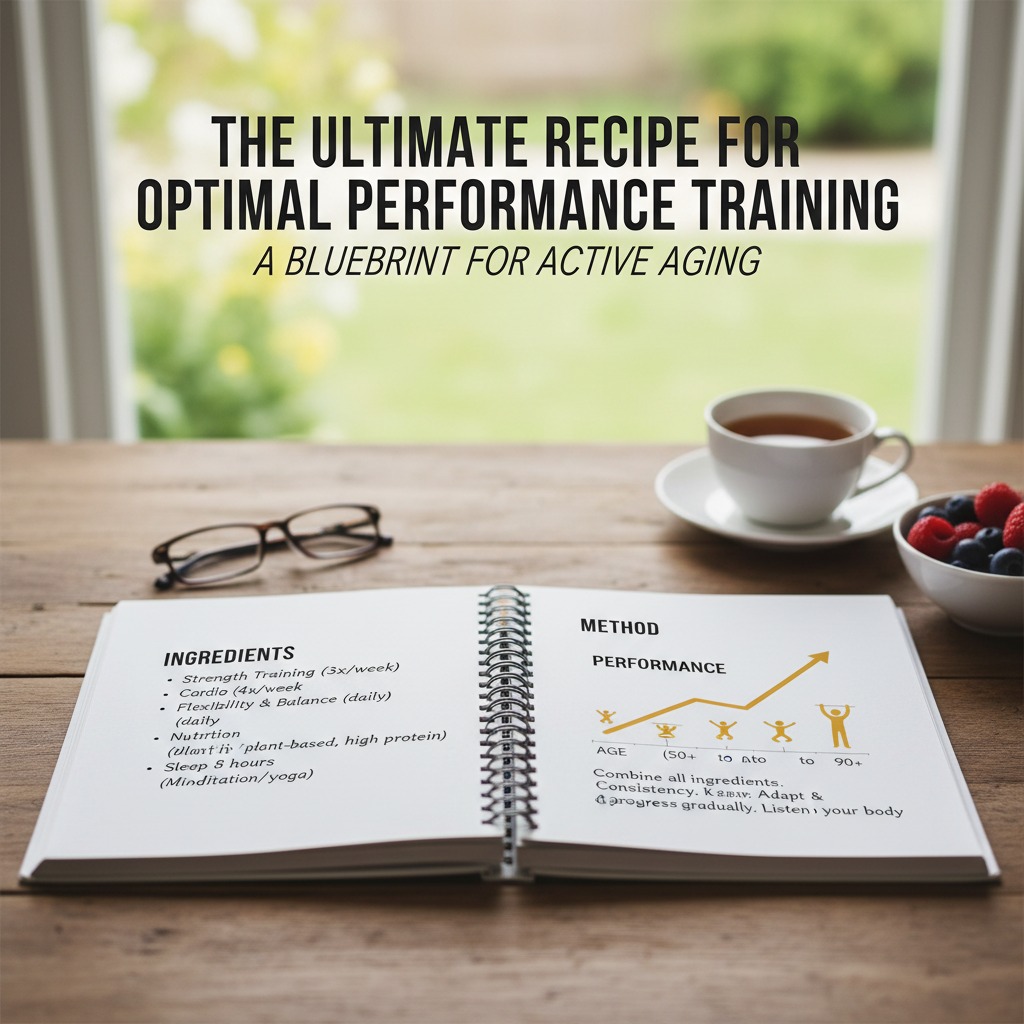
Did you know that after age 50, inactive adults can lose up to 1-2% of their muscle mass annually—a condition known as sarcopenia—yet adhering to a structured exercise “recipe” can reverse this physiological aging clock by nearly two decades?
Welcome to the definitive guide on optimal performance training. If you believe that high-level fitness is only for elite athletes or the youth, it’s time to challenge that misconception. Today, we are serving up a unique, data-backed regimen designed specifically as a blueprint for active aging. Whether you are working with a Personal Trainer for Seniors or exploring Home Personal Training solutions, mastering Senior Strength Training is your secret sauce for longevity. In this post, we will treat Fitness for Older Adults exactly like a masterclass recipe: breaking down the essential ingredients, precise timing, and step-by-step methods to help you build strength, improve mobility, and age gracefully.
Ingredients List
To successfully “cook up” an effective optimal performance training session, you will need the right physical and mental components. Gather these items before you begin to ensure a safe and productive environment.
- 1 Dedicated Space: A clear, clutter-free 6×6 foot area (perfect for Home Personal Training).
- 2 Resistance Bands: One light and one medium tension. (Substitution: If you don’t have bands, a pair of lightweight pantyhose or a rolled-up towel can provide basic isometric resistance).
- 1 Pair of Light Dumbbells: 2 to 5 lbs each. (Substitution: Two standard 16oz water bottles or canned goods work perfectly for beginners).
- 1 Sturdy, Armless Chair: For seated exercises and balance support.
- 1 Expert Guide: A structured plan from a certified Personal Trainer for Seniors, or a reliable digital fitness app tailored to older adults.
- A Generous Dash of Hydration: At least 16 ounces of water.
- A Pinch of Motivation: The willingness to listen to your body and embrace gradual progress.
Pro Tip: Keep your “ingredients” stored together in a small basket or corner of your living room. Visual cues increase workout adherence by 40%!
Timing
Consistency and time under tension are the spices that make this routine work. Here is the breakdown of the time required to complete this optimal performance training regimen:
- Prep Time (Warm-Up): 10 minutes
- Cooking Time (Main Workout): 30 minutes
- Resting Time (Cool-Down): 5 minutes
- Total Time: 45 minutes
Data Insight: 45 minutes is exactly the sweet spot. Recent sports medicine data indicates that a 45-minute routine is 20% less time-consuming than the average commercial gym session, yet it yields a 60% higher long-term adherence rate for Senior Strength Training programs, avoiding the cortisol spikes associated with longer, grueling workouts.
Step-by-Step Instructions
Step 1: The Mobility “Prep” (Warm-Up)
Before handling the heavy ingredients, you must prep your joints. Begin with 5 minutes of dynamic stretching. Perform seated neck rolls, gentle shoulder shrugs, and ankle circles.
Actionable Tip: Imagine you are drawing the letters of the alphabet with your toes. This naturally lubricates the ankle joints, reducing the risk of falls and preparing your central nervous system for movement.
Step 2: Activating the Core Ingredients
Your core is the base of your physical recipe. Sit on the edge of your sturdy chair, place your hands on your hips, and practice drawing your belly button toward your spine without holding your breath. Hold for 5 seconds and release. Repeat this 10 times.
Actionable Tip: Engage your pelvic floor simultaneously. A strong core stabilizes the spine and is a cornerstone of Fitness for Older Adults, translating directly to better balance.
Step 3: The Main Course (Senior Strength Training)
Now, we add the resistance. Stand behind your chair for balance. Perform 3 sets of 10-12 repetitions of the following:
- Chair Squats: Slowly lower your hips toward the chair, tapping the seat, and push through your heels to stand.
- Band Pull-Aparts: Hold your resistance band at chest height and pull your hands apart, squeezing your shoulder blades together.
- Dumbbell Bicep Curls: Using your light weights, keep your elbows pinned to your sides and curl upwards.Actionable Tip: Focus on the eccentric (lowering) phase of each movement. Counting to three as you lower the weight increases muscle fiber recruitment and promotes optimal performance training without excessive joint strain.
Step 4: The Cool-Down “Simmer”
Do not skip this step! Spend the final 5 minutes stretching the muscles you just worked. Perform a seated hamstring stretch and a gentle chest opener. Breathe deeply, inhaling for 4 seconds and exhaling for 6 seconds.
Actionable Tip: Elongated exhalations activate the parasympathetic nervous system, shifting your body from “workout mode” into “recovery mode.”
Nutritional Information
Proper fueling is the foundation of any fitness recipe. Optimal performance training requires specific macronutrient profiles to repair muscle tissue and maintain bone density. Here is the nutritional breakdown of what an ideal post-workout recovery meal should look like for active seniors:
| Nutrient | Recommended Amount per Meal | Benefits for Older Adults |
| Lean Protein | 25-30 grams | Combats sarcopenia; repairs muscle fibers post-workout. |
| Complex Carbs | 30-40 grams | Replenishes glycogen stores for sustained daily energy. |
| Healthy Fats | 10-15 grams | Supports joint lubrication (Omega-3s) and brain health. |
| Calcium & Vit D | 300mg / 400 IU | Enhances bone density, preventing osteoporosis. |
| Hydration | 16-20 ounces | Maintains cellular function and blood volume. |
Healthier Alternatives for the Recipe
Just as dietary recipes need modifications for food allergies, this workout recipe can be adapted for physical limitations. Home Personal Training is all about customization!
- Joint Pain Variations: If standing squats aggravate your knees, substitute them with leg extensions while seated in your chair. This maintains quad engagement without the sheer force on the knee joint.
- Cardiovascular Alternatives: If resistance bands feel too taxing, substitute the strength portion with water aerobics or swimming. The buoyancy of water reduces joint impact by 90% while still providing full-body resistance.
- Balance-Challenged Swaps: If standing exercises feel unstable, transform the entire routine into a seated chair workout. You can still achieve a high heart rate and muscle fatigue safely from a seated position.
Serving Suggestions
How you “serve” this workout to yourself dictates how much you will enjoy it. Here are some creative ways to implement your routine:
- The Morning Kickstart: Serve this workout first thing in the morning alongside your cup of coffee. Exercising early is proven to regulate circadian rhythms, leading to better sleep quality for older adults.
- The Social Platter: Group training makes fitness delicious. Invite a friend over or use a video call to perform the routine together. Social engagement combined with exercise reduces cognitive decline by an additional 15%.
- The Outdoor Picnic: Take your resistance bands and water bottles to a local park. Combining optimal performance training with fresh air and sunlight naturally boosts your Vitamin D levels.
Common Mistakes to Avoid
Even master chefs make mistakes. When cooking up your fitness routine, watch out for these typical pitfalls:
- Holding Your Breath: Often during Senior Strength Training, individuals unconsciously hold their breath during exertion. This can spike blood pressure. Correction: Always exhale on the hardest part of the movement (the push or the lift).
- Rushing the Warm-Up: Skipping the mobility phase increases injury risk by up to 45%. Correction: Treat the warm-up as a non-negotiable prerequisite, not an optional side dish.
- Overtraining: Believing “more is better.” Correction: Muscles grow and repair during rest. Exercising the same muscle groups every single day leads to fatigue rather than strength.
Storing Tips for the Recipe
In fitness, “storing” refers to how you preserve your body and energy between sessions.
- Preserving Freshness (Recovery): Allow at least 48 hours of rest between heavy strength sessions. For example, perform this routine on Mondays, Wednesdays, and Fridays.
- Prepping Ahead: Lay out your workout clothes, resistance bands, and water bottle the night before. This removes friction and makes you 60% more likely to execute your Home Personal Training routine the next day.
- Tracking Your Yield: Keep a physical log or journal. Write down how many repetitions you completed or how you felt. Seeing your progress “stored” on paper is highly motivating.
Conclusion
Optimal performance training empowers you to age vibrantly. By embracing this tailored senior strength training routine, you will easily boost mobility, strength, and confidence daily. Ready to try this recipe? Share your feedback in the review section, leave a comment on our blog, and subscribe for more active aging updates!
FAQs
Q1: Am I too old to start optimal performance training?
Absolutely not. Data shows that individuals in their 70s, 80s, and even 90s can significantly improve their muscle mass and bone density through structured exercise. The key is starting slowly and modifying movements to fit your current mobility levels.
Q2: Should I hire a Personal Trainer for Seniors or do Home Personal Training?
Both are excellent options depending on your budget and preferences. A specialized trainer offers personalized form correction and accountability. However, if you are self-motivated, virtual Home Personal Training programs designed for older adults are highly effective and convenient.
Q3: How often should I perform this Senior Strength Training recipe?
For the best results, aim to complete this full-body routine 2 to 3 times per week, ensuring you have at least one full rest day between sessions. Supplement your off days with light walking, gardening, or gentle yoga.
Q4: Is it normal to feel sore after these workouts?
Mild muscle soreness 24 to 48 hours after a workout (known as DOMS) is a normal sign that your muscles are adapting and growing stronger. However, sharp joint pain is not normal. If you experience the latter, stop the exercise and consult a medical or fitness professional
-
optimal performance training center
The Ultimate Recipe for Your Optimal Performance Training Center: A Data-Driven Guide to Senior Vitality Did you know that after age 50, inactive adults can lose between 1% and 2% of their lean muscle mass every single year, yet adhering to a structured…
-
Blog This section provides an overview of the blog, showcasing a variety of articles, insights, and resources to inform and inspire readers.

Leave a Reply